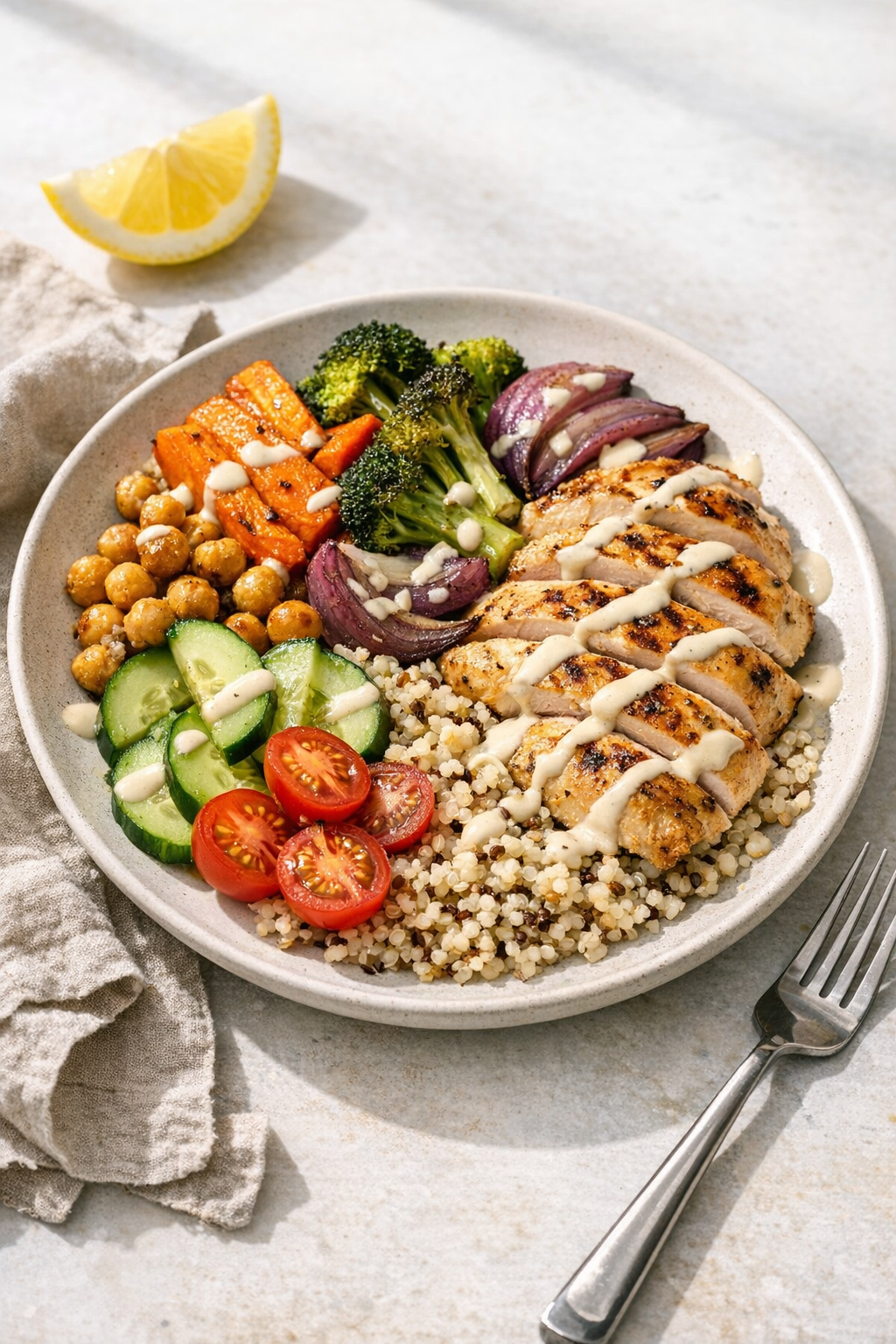
You get home, drop your bag by the door, and stand in the kitchen for a second too long. The fridge is there. The stove is there. But your brain feels like it left work ten minutes before you did. You’re hungry, tired, and somehow expected to make dinner happen. That’s the moment when cooking can feel less like a routine and more like a small negotiation with yourself.
After a long day, the best dinner is not the one that looks impressive. It’s the one that asks very little from you and still feels good to eat. That usually means simple ingredients, short prep, and meals that don’t create a pile of dishes you’ll resent later. When you’re running on fumes, the goal is not to “cook properly.” The goal is to eat well without making the evening harder than it already is.
What your tired evening really needs
When you’re exhausted, decision-making gets weird. You start looking at groceries like they’re a puzzle you don’t have the energy to solve. That’s why the best after-work meals are the ones you can almost make on autopilot.
Think in terms of comfort, speed, and minimal cleanup. If a recipe has too many steps, too many pots, or too many ingredients that need chopping into perfect little pieces, it’s probably not the right night for it. You want food that fits the mood of the evening, not food that demands a performance.
A good tired-night meal usually has three parts:
- One protein like eggs, chicken, beans, tofu, tuna, or salmon
- One easy carb like rice, pasta, bread, tortillas, or potatoes
- One vegetable that doesn’t take much work, like frozen peas, spinach, cherry tomatoes, or a bagged salad
That’s enough to make something that feels like dinner without turning your kitchen into a project.
Keep a few low-effort meals in rotation
The less energy you have, the more helpful it is to rely on meals you already know. Not because variety is bad, but because your tired self needs shortcuts. A small list of repeat dinners can save you from ordering takeout just because you can’t think straight.
Here are a few that work especially well after work fatigue:
- Egg fried rice with frozen vegetables and soy sauce
- Quesadillas with cheese, beans, and whatever leftover cooked protein you have
- Pasta with olive oil, garlic, and spinach, finished with parmesan if you’ve got it
- Sheet pan chicken and vegetables if you have the energy to turn on the oven
- Tomato soup and grilled cheese for a very low-effort comfort meal
- Rice bowls with canned tuna, avocado, cucumber, and a simple sauce
These meals work because they don’t require a lot of thought. You can make them when your brain is still partly at work and your body is already asking to sit down.
If you want more ideas that are genuinely fast, the list of 30-minute meals is a useful place to start. The best ones are the kinds you can actually imagine making on a weeknight, not just admiring in a photo.
Don’t cook a full meal if you don’t need one
Some evenings, the pressure to make a “real dinner” is the problem. You may not need a full recipe at all. You might just need something warm, filling, and balanced enough to get you through the night.
A bowl of yogurt with fruit and granola can be dinner. So can toast with eggs and tomatoes. So can a sandwich with soup. That’s not settling. That’s being realistic.
When you’re tired, it helps to separate “feeding yourself” from “cooking a nice meal.” They’re not always the same thing. If your energy is low, choose the version that gets food on the table fastest with the least friction. A good meal can be simple. It does not have to look like you had a free afternoon and a clean kitchen.
One useful trick is to keep a “backup dinner” in the house at all times. Something like:
- Frozen dumplings
- Boxed mac and cheese
- Instant ramen with an egg and frozen greens
- Canned soup with bread
- Pre-cooked rice and pantry toppings
That backup meal is what keeps a tired evening from turning into a snack-only night where you end up feeling worse later.
Make the first five minutes easier
Getting started is often the hardest part. Once you begin, cooking usually feels less impossible. The trick is to make those first few minutes almost automatic.
Try this when you get home:
- Put down your things and drink some water.
- Change into comfortable clothes.
- Turn on music, a podcast, or just stay in silence if that feels better.
- Open the fridge before deciding anything.
- Pick the simplest option, not the most exciting one.
That tiny routine can help shift you out of work mode without adding more pressure. A tired person does better with a clear next step than with a vague promise to “figure out dinner.”
It also helps to keep prep low. Pre-washed greens, frozen vegetables, pre-cooked grains, jarred sauces, and rotisserie chicken can make the difference between cooking and giving up. These are not shortcuts to be ashamed of. They are tools for real evenings.
Choose food that feels kind to your body
After a long day, a heavy, greasy meal can sound comforting and still leave you sluggish. On the other hand, a meal that’s too light may leave you wandering back to the kitchen an hour later. The sweet spot is food that feels satisfying without making you feel even more drained.
That usually means a mix of protein, fiber, and something warm. A bowl of lentils and rice. Pasta with chicken and vegetables. A wrap with hummus, turkey, and cucumbers. Even soup with bread can do the job if it’s hearty enough.
If you know you’re especially wiped out, avoid recipes that need constant attention. Stir-fries can be fine if everything is already chopped. Roasting vegetables can be great if you only have to toss them on a tray. But complicated timing is a bad match for a tired brain. The less you have to monitor, the better.
Also, don’t underestimate the comfort of temperature. Warm food often feels more satisfying after a draining day than something cold and crunchy. That doesn’t mean salad is off-limits, but if you’re really depleted, a warm bowl may be the thing that helps you actually relax.
Keep dinner simple enough to repeat
The most useful after-work meals are not the ones you make once and forget. They’re the ones you can repeat without getting annoyed. That’s the real test.
If a recipe saves you time, uses ingredients you already buy, and doesn’t leave a mess behind, it earns a spot in your weeknight rotation. You don’t need a new dinner idea every evening. You need a few dependable ones that work when your energy is low and your patience is lower.
That might mean making extra rice on Sunday, keeping frozen vegetables in the freezer, or having eggs and tortillas on hand at all times. Small habits like that make weekday cooking feel less like a chore and more like a default.
And if some nights still end with toast, soup, or takeout, that’s fine too. The goal is not perfect home cooking. It’s getting through the evening in a way that feels manageable.
Some days, dinner should be easy. After a long day at work, easy is enough.
Need a quick dinner idea? Take a look at our 30-minute meals — simple recipes you can make fast, even on busy nights.